
Finding the Santa Cruz Residents Directory
There is no single public list of everyone in Santa Cruz. A useful resident search begins by naming the clue already in hand. An address can be translated into an assessor parcel number, or APN, and then checked against parcel geography, recorded instruments, permits, and historical address guides. A name can be tested in the Superior Court index, California business filings, professional-license records, the State Controller's unclaimed-property system, or a directory held by a library. Each result answers a narrower question than the word resident suggests.
The Santa Cruz County Parcel Lookup is the cleanest first move for a street clue. A court case can anchor a name to a date and role. A deed can show that a party signed or received an instrument, but it does not prove occupancy. A city permit can name an applicant or contractor without identifying a household. Those distinctions keep the Santa Cruz residents directory useful for family history, reconnecting with a classmate, estate work, and checking a suspicious claim without turning a partial record into a conclusion.
- For an address, enter the number and base street name in Parcel Lookup, leaving off an avenue, street, or boulevard suffix. Save the APN and the exact situs address.
- Open GISWeb and compare the parcel with ZIP areas, city limits, districts, hazards, and nearby parcels. The map helps decide which custodian has the next record.
- Call or visit the Assessor for the current assessed owner and tax mailing address, because ownership is suppressed in the online result.
- Search the Recorder's official-record index by party, document type, document number, and date range. For one person, add the Superior Court party search and compare case dates and roles.
- Use directories, newspapers, archives, or a focused California Public Records Act request when the needed year or record is not online.
Santa Cruz Offices Behind Resident Records
The Santa Cruz County Recorder, Assessor, and Elections Office divide the current public trail. The Recorder at 701 Ocean Street, Room 230, handles recorded instruments and county vital copies. The Assessor at the same government center, Room 130, can provide owner and mailing information for a specified parcel by phone or counter. Elections administers the local voter file, while California My Voter Status is designed for a person's own verified record. The office matters because each custodian can confirm a different fact.
Santa Cruz County Recorder
701 Ocean Street, Room 230
Santa Cruz, CA
831-454-2800
Recorder services and index
The City Clerk is the CPRA coordinator for Santa Cruz administrative records. The Clerk can provide existing agendas, minutes, ordinances, resolutions, contracts, and campaign filings when a request identifies the department, subject, and date span. The Superior Court has separate records staff and a kiosk route. The public library is the practical counter for older directories, telephone books, newspapers, and maps.
The county Recorder service page shows the public-facing office route for instruments and vital records.
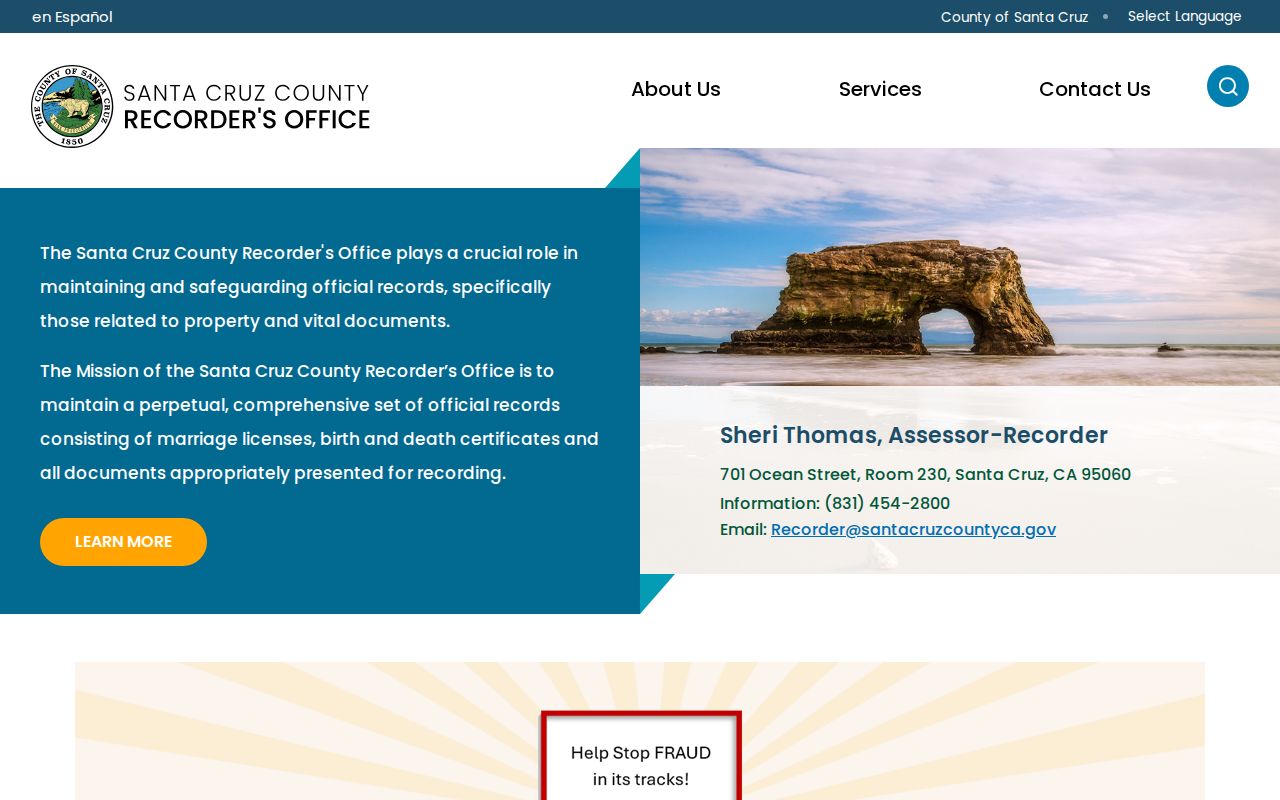
The Recorder's counter, index, and copy process are separate from the Assessor's parcel roll, so a deed question should go to Room 230 rather than the parcel desk.
The Santa Cruz Address-to-APN Start
Parcel Lookup accepts either a parcel number or a property address. The address instruction is unusually useful: enter a number and the base street name, such as 123 Main, without Ave., Street, or Blvd. The returned card may show the APN, situs, assessment characteristics, and map links. It does not display the owner online. Government Code section 7928.205, formerly section 6254.21, is the reason the public web result stops before the ownership field.
The next access channel is personal service. Real Property staff at 831-454-2270 or Room 130 can provide the current assessment-roll owner and tax mailing address for a named APN or address. A mailing address is where tax notices go. The situs is the physical parcel. Neither one alone proves who occupies the building, and an owner record does not list every household member.
| Portal | Field | Type | Required | Format or limit |
|---|---|---|---|---|
| Parcel Lookup | Parcel Number or AIN | Text | Either/or | Enter the county APN. |
| Parcel Lookup | Property Address | Text | Either/or | Use number plus base street name; omit suffix. |
| Parcel Lookup | Search | Button | Required action | Resolves parcel facts. |
| My Voter Status | First Name | Text | Yes | As registered. |
| My Voter Status | Last Name | Text | Yes | As registered. |
| My Voter Status | Date of Birth | Date fields | Yes | Personal verification input. |
| My Voter Status | California ID or driver's license | Text | Conditional | Used when the interface asks for it. |
| My Voter Status | Last four SSN digits | Text | Conditional | Alternative verification input when requested. |
| My Voter Status | County | Dropdown | May be required | Choose Santa Cruz County. |
| My Voter Status | Submit | Button | Required action | Returns the requester's own status. |
Santa Cruz Deeds From 1978 Forward
The current Recorder inquiry offers three paths: an alphabetic party search, a document-number search, and a document-type or title search. A name is entered as Last, First, Middle Initial, and a date range is required. Search both sides of a conveyance. The current owner as grantee may identify an acquisition; the grantor can then be searched as an earlier grantee. APN, legal description, recording date, and instrument reference keep the chain on the right parcel.
Santa Cruz County says its official-record corpus is digitized from 1850 to the present, but the public online index begins in 1978. Images from 1850 to 1996 also exist on microfilm or Digital Reel. Handwritten indexes before 1974 are available at the office and are free to examine. Name searching changes across eras: the 1974 to 1990 index abbreviates the first word and later terms, the 1990 to 1999 index keeps the first word while abbreviating later terms, and records from January 1, 2010 use unabridged terms with party-list assistance.
The online index can expose party names and indexed roles, document title, recording date, document ID, and an instrument reference. It is not the certified copy. The Recorder's current copy and certification charges belong to the office's fee schedule, and images may be restricted even when the index line is visible.
- Roll
- An agency's maintained set of records, such as the assessment roll or a voter file.
- Index
- A finding aid that points to a record or instrument; it is not always the record image.
- Criss-cross directory
- A historical address-order directory that starts with a street and number.
- Parcel
- A mapped unit of land identified by an APN and a legal description.
Santa Cruz Court Names After June 1985
Santa Cruz Superior Court's Case Lookup accepts a full or partial party name in LAST, FIRST order or an exact case number. Partial names broaden the match, and the search is case-insensitive. The online horizon is generally June 1985. Cases opened before that cutoff may require the Records Department or a public kiosk at the Santa Cruz courthouse or the Watsonville courthouse.
The court index can show a case number, caption, category, filing date, party roles, event register, hearings, status, and disposition when those fields are available. Web documents are narrower. Electronically filed or scanned civil and small-claims documents may be viewable, while restraining orders, minor-compromise petitions, probate, and family-law documents are excluded from the web display. A Research and Copy Request is the fallback when an index result needs a clerk search or certified copy.
The Santa Cruz Superior Court case lookup supplies the official search syntax and cutoff instructions.
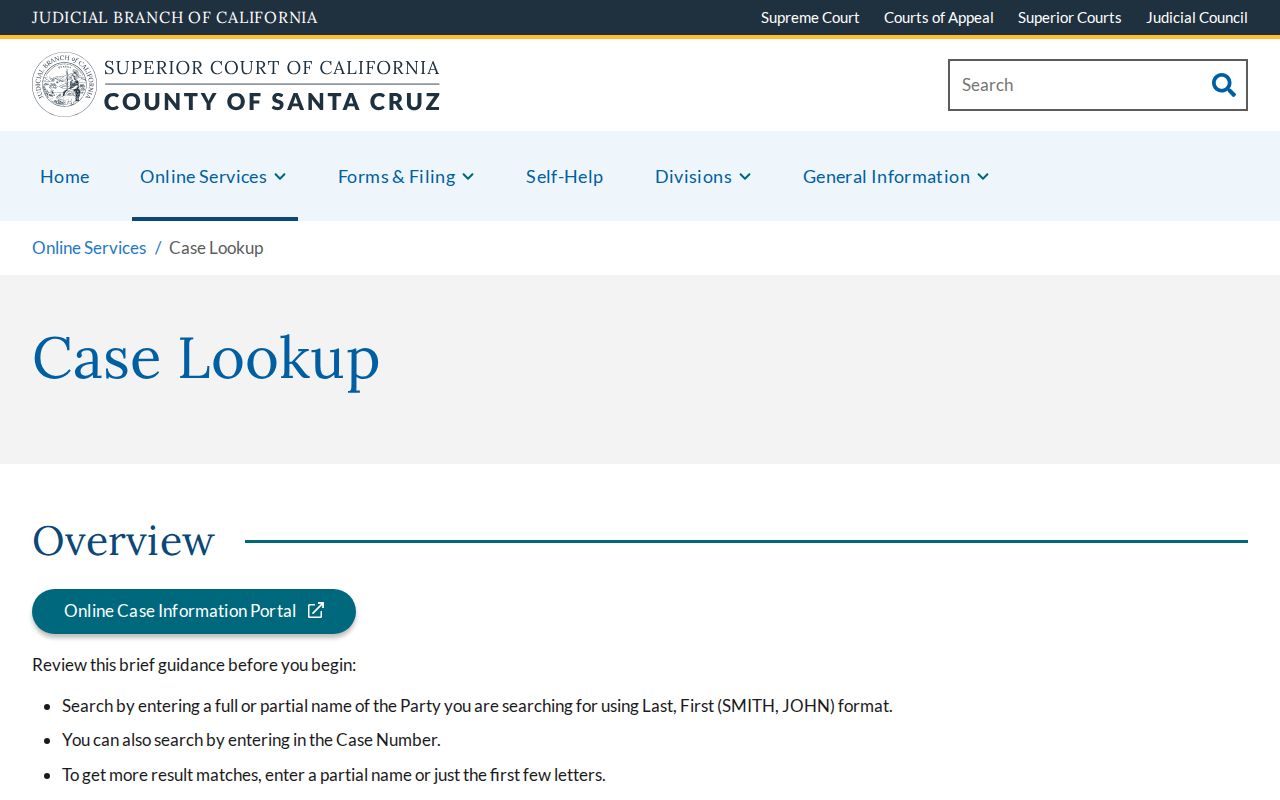
The image reflects a case-index entry point, not an open file for every case type. Court staff will not confirm a private date of birth, address, or driver's-license number by phone or email except for a court business need.
Santa Cruz Vital Copy Rules
The Santa Cruz County Recorder issues county birth, death, and public or confidential marriage copies. The office advises waiting four to six weeks after an event before requesting a copy. California Department of Public Health Vital Records is the statewide alternative. A certified authorized copy may be used for identity or legal purposes when the requester fits a statutory category and signs a sworn statement. A certified informational copy is broadly available in many birth and death situations but is marked not valid to establish identity.
Confidential marriage copies are limited to a party or a court order. Adoption files and original birth records remain sealed except through statutory procedures. Divorce certificates of record from CDPH are not the divorce decree; the Superior Court keeps the decree. The current county application and fee schedule control the amount charged. State fees changed in January 2026, so an older family note should not be treated as a current price.
That copy-type split is important for genealogy. An informational copy can supply a family clue, while an authorized copy requires the relationship, sworn statement, and sometimes notarization for a mailed request. A vital record confirms an event or relationship within its scope. It does not by itself establish a later address.
Today’s Santa Cruz Residents Directory Sources
Current records behave like separate directories with separate limits. A parcel card points to land, the Recorder index points to recorded parties, a court result points to a case role, and a license or entity filing points to a professional or organizational record. The most useful match is the one supported by two independent records with compatible dates and geography.
| Source | What it can confirm | Keeper | Access |
|---|---|---|---|
| Assessment roll | APN, situs, assessed facts, owner and tax mailing address through staff | Santa Cruz County Assessor | Parcel facts online; owner by phone or counter |
| Recorded-document index | Party, role, instrument type, date, and document number | Santa Cruz County Recorder | Free index from 1978; copies through Recorder |
| Superior Court index | Case party, role, category, events, and status as available | Santa Cruz Superior Court | Web search, kiosk, or Records request |
| My Voter Status | One person's registration status, district, and election details | California Secretary of State and County Elections | Authenticated self-lookup |
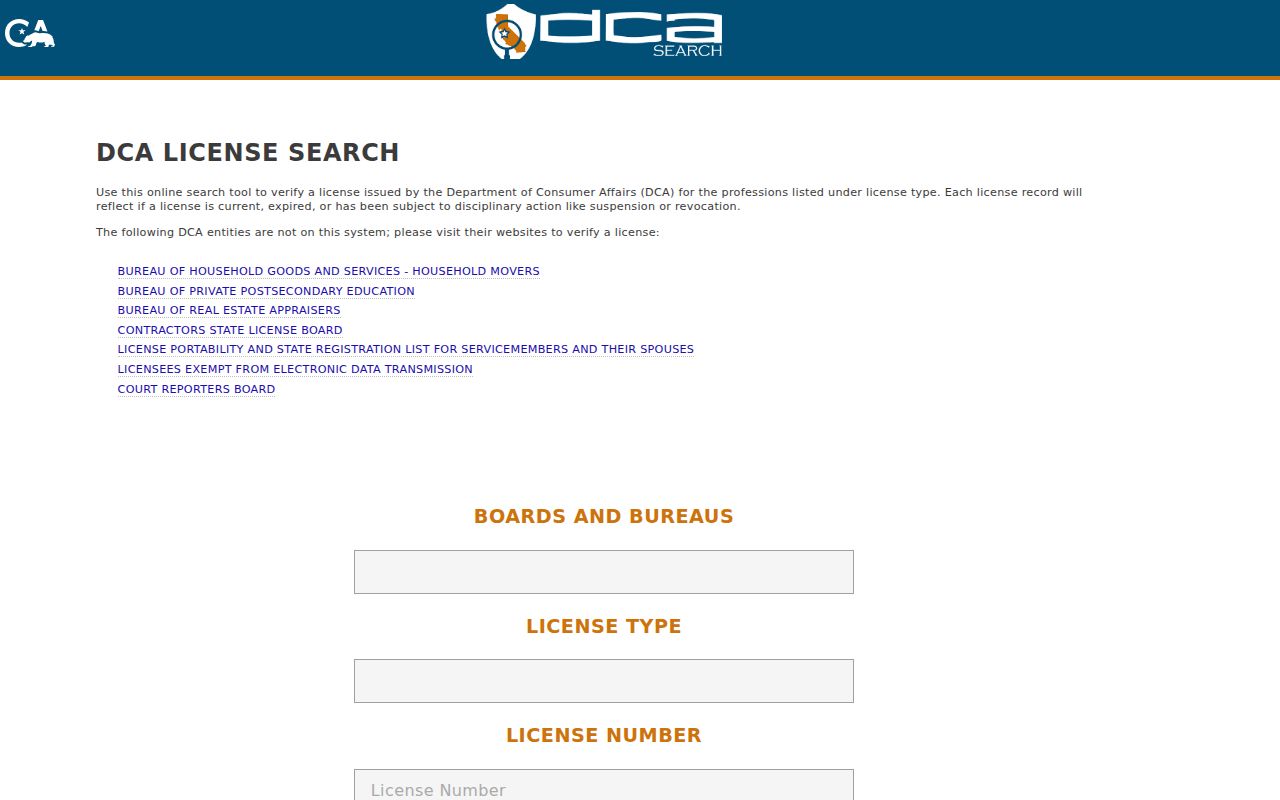
| License search | Licensee, number, type, status, and board-published details | California Department of Consumer Affairs | Free public verification |
| Business Search | Entity number, status, agent, officers, and filing records | California Secretary of State | Free search; some documents may cost |
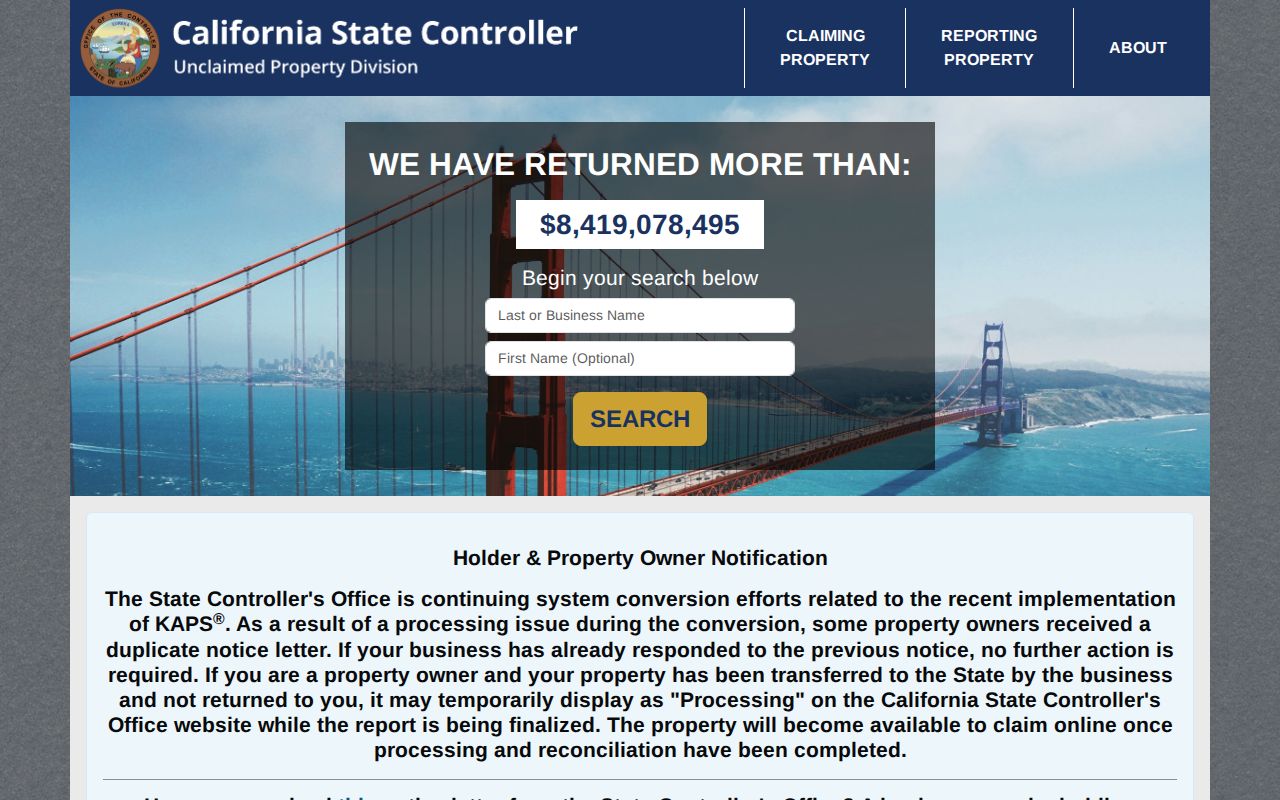
| Unclaimed property | Name, reporting business, property type, and city fragments | California State Controller | Free name search and claim process |
A current resident directory result should be labeled by its record role: owner, party, registrant, licensee, officer, or listed subscriber. That plain label says more than a broad claim that someone lives at an address.
Santa Cruz Voter Status Check
California My Voter Status uses a first name, last name, date of birth, and conditional identification fields to verify the requester's own record. It can return registration status, party preference, voting location, districts, vote-by-mail status, and election information. A failed match can reflect spelling, date, county, or a recent update. It is not evidence that a person is unregistered.
Santa Cruz County Elections administers the local file, but Elections Code sections 2194 and 2166 limit ordinary release. A qualifying file request must identify the requester and a permitted purpose, use the current application, describe the requested area or fields, and agree to protect the data. Commercial use and casual browsing of everyone on a street are outside the ordinary self-lookup. Confidential voter registration can substitute an address for a qualifying participant.
The California voter file is therefore a verification tool, not a general Santa Cruz resident directory. Vote history can show that a ballot was credited in an election, never how a person voted. Driver-license numbers, Social Security numbers, signatures, and protected addresses remain restricted.
The official My Voter Status form illustrates why a name alone is not enough for a current voter match.
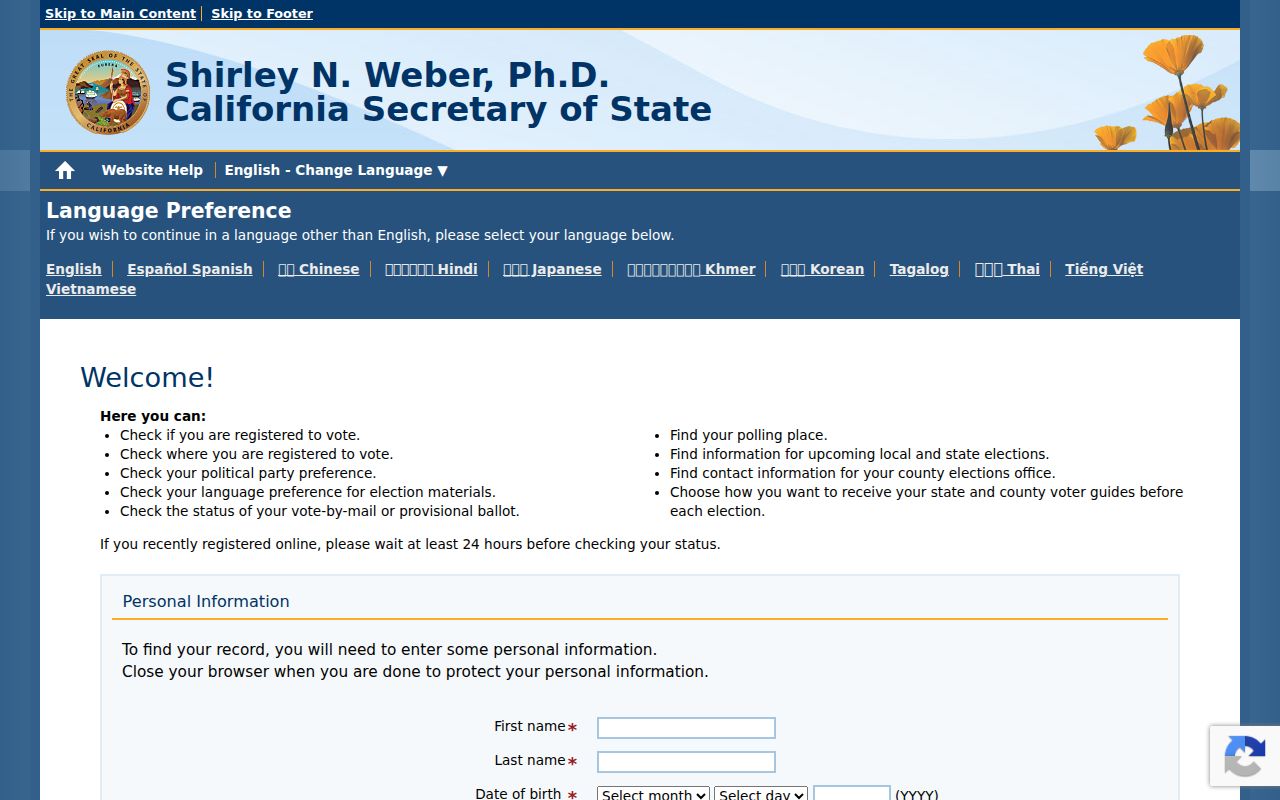
The form is meant for the person verifying a registration record. For public election materials, district maps, or a permitted file request, contact County Elections instead of treating the self-lookup as a browseable roll.
Santa Cruz Name Matches Need Independent Clues
A name search becomes stronger when the record gives a stable number, date, role, or place. California Business Search can return an entity number, status, jurisdiction, address of record, agent, officers or managers, and Statements of Information. A business address connects a person to an organization, not automatically to a home. DCA License Search can show a participating board, license number, type, status, issue or expiration date, address of record, and discipline links. Those fields help separate two people with the same name.
The California Business Search page is the right source for entity identifiers and filing roles.
An entity number and filing date can distinguish a business record from a personal address clue. The same caution applies to a license: an address of record is a regulated contact field, not proof of residence.
The California Department of Consumer Affairs license search provides another official identifier.
For an heir, probate, deeds, obituaries, and family notices make a better sequence than one name-only hit. For an old address, a directory and census establish household context while the Recorder establishes title events.
The State Controller's unclaimed-property search can add a surname, given name, reporting business, and old city or address fragment. A match is only a lead, and the free claim process requires proof.
Those official records are more useful when the result is recorded with its date and source, then compared with an independent county or court record.
| Approach | What it offers | Limits |
|---|---|---|
| Official county and state records | Custodian-held fields, dates, roles, parcel keys, and source procedures | Each record has a narrow purpose and protected fields |
| Libraries and archives | Directories, newspapers, maps, photographs, manuscripts, and reference help | Coverage varies by year, title, collection, and reading-room access |
| Commercial record compilations | A convenient lead assembled from public and purchased data | May be stale or merged; verify against the source custodian |
Santa Cruz Libraries Hold the Long Trail
Santa Cruz Public Libraries are the first local stop for an older resident. Local-history resources include city and telephone directories, newspapers, photographs, maps, clipping files, microfilm, and reference help. Ask staff for Polk, Haines, Pacific Telephone, and reverse or criss-cross titles rather than searching only the phrase city directory. The California History and Genealogy Room has local newspaper indexes and specialized material whose exact shelf location should be confirmed before a visit.
UCSC Special Collections adds regional manuscripts, maps, photographs, organizational records, and ephemera. The Museum of Art & History holds photographs, archives, objects, family collections, and material about county residents and neighborhoods. Access differs: SCPL can point to a shelf or microfilm reader, UCSC finding aids may lead to reading-room material, and MAH access depends on the collection and appointment process. The State Archives is a bridge for state and selected county series when a local online index ends.
A scanned volume needs page-level checking. Confirm the title page, publisher, coverage geography, year, and abbreviation key before copying a name. Santa Cruz can mean the incorporated city, the county, or a combined coastal volume. The full collection history and entry-reading method belongs in the Santa Cruz city directory collections.
Choose Santa Cruz Records by Parcel
ZIP areas and local government lines overlap. County GIS includes ZIPAREAS, CITYLIMITS, assessor parcels, precincts, school districts, zoning, hazards, and service districts. A postal city in the address line does not decide whether a permit or code file belongs to the City of Santa Cruz or County CDI. Parcel geometry and the city-limit layer do.
ZIP 95062 is the clearest example. It reaches Eastside, Midtown, and Seabright in the city and extends into unincorporated Live Oak and Pleasure Point. ZIP 95060 reaches Downtown, Mission Hill, Westside, and addresses north or west of the city. ZIP 95065 extends through Upper Eastside and DeLaveaga-area territory, while ZIP 95064 is centered on UC Santa Cruz institutional routing. A ZIP can narrow geography, but it cannot establish a household.
For a person whose record uses Santa Cruz as a mailing city, compare situs, APN, city limits, and the serving custodian. The GIS layer is the geography check; the parcel and deed are the durable record keys.
When CPRA Is the Best Route
The California Public Records Act is a fallback for an identifiable existing record held by a city or county agency. A focused request names the department if known, gives a date span, describes the record, and states a preferred format. It does not require a reason. It also does not make an agency create a residents directory, answer a research question, or release a protected voter, DMV, juvenile, adoption, sealed, or confidential record.
Under Government Code sections 7920.000 through 7931.000, an agency normally makes an initial determination within 10 calendar days. Written notice may extend that determination by 14 days for unusual circumstances. Production follows promptly but is not guaranteed within the first 10 days. Exempt material can be redacted while the rest is disclosed, and allowable copying costs may apply.
City administrative records and county records use different request routes. The City of Santa Cruz public-records instructions point to the municipal route, while a permit history, agenda packet, contract, or campaign filing should be requested from the custodian that created it. The request should identify the existing record, not ask the office to compile names from unrelated systems.
Santa Cruz Records Need Careful Use
California's Safe at Home program gives qualifying survivors and household members a substitute mailing address and mail-forwarding route. Confidential voter registration can also hide or substitute an address under Elections Code section 2166. Recorded land documents are not erased by a privacy request, and a public legal description can still identify land. The right response to a protected address is to stop the search, not to triangulate around it.
California's DROP portal began January 1, 2026. One verified California resident request can reach more than 600 registered data brokers, with recurring broker retrieval duties beginning August 1, 2026. A broker opt-out can remove a commercial copy; it does not change the county Recorder, Assessor, court, or Elections source. The Safe at Home program explains the state confidentiality route.
The Recorder's Fraud Notify service began October 1, 2025 and sends free email alerts for matching names on newly recorded instruments. It reports index facts, not document contents, and it cannot block a filing.
Official records are open for lawful personal research, family history, civic understanding, and scam avoidance. They are not permission to threaten, stalk, dox, or harass. Keep source dates, use the narrowest record needed, and let the custodian correct an error at its origin.
Lawful use. Santa Cruz public records may help with a legitimate personal question, but public availability does not permit stalking, harassment, intimidation, or harm.
Earlier Santa Cruz Resident Directories
Santa Cruz's historical resident trail starts with regional directories, not a single annual city roll. Pacific Coast Business Directory volumes cover 1876 to 1878, McKenney's District Directory appears in 1879, and Coast County Directory covers 1884 to 1885. Related San Jose, coastal, and gazetteer volumes continue through the 1880s. A Santa Cruz directory for 1902 has a catalog metadata conflict over K. E. Trish and H. E. Irish, so the title page should settle the publisher question.
Polk volumes survive for most years from 1910 to 1988, but 1988 should not be called the final printed year without a complete catalog check. Haines reverse or criss-cross volumes appear for some years from 1977 to 2015. Telephone directories, census schedules, newspapers, Sanborn maps, UCSC collections, and MAH archives fill different gaps. An annual directory can show a listed adult and address; a census can show household relationships; a deed can show title. The distinctions make a historical Santa Cruz residents directory more reliable and more honest.